Table of Contents
Introduction
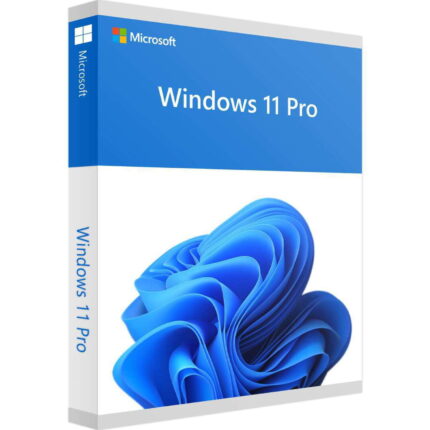
Small business owners face a constant stream of technology decisions, each requiring careful evaluation of costs versus benefits. Windows 11 Pro represents one such decision Microsoft’s professional operating system edition positioned specifically for business environments. With Windows 11 Home already installed on many business computers, the question becomes: is upgrading to Pro worth the investment for your small business?
The answer isn’t universally straightforward. Windows 11 Pro delivers genuine business capabilities that Windows 11 Home lacks entirely domain joining, BitLocker encryption, Remote Desktop hosting, Group Policy management, and more. For some businesses, these features are essential requirements that justify the upgrade cost immediately. For others, they represent capabilities that sound useful in theory but may never be used in practice.
Understanding whether Windows 11 Pro serves your specific small business needs requires examining not just what the Pro edition offers, but whether those features solve actual problems your business faces. Are you struggling with data security and compliance? Do employees need to access office computers remotely? Are you managing multiple devices that need centralised configuration? Do you handle sensitive client information requiring encryption?
This comprehensive guide evaluates Windows 11 Pro from a small business perspective. We’ll explore the specific features that differentiate Pro from Home, analyse their practical value in real-world small business scenarios, calculate the true cost of upgrading, examine security and compliance benefits, and ultimately help you determine whether Windows 11 Pro represents a worthwhile investment for your business or an unnecessary expense for capabilities you’ll never use.
Windows 11 Home vs. Pro: What You Actually Get
Before evaluating whether the upgrade is worthwhile, let’s clearly understand what Windows 11 Pro provides that Home edition lacks.
Core Differences That Matter for Business
| Feature | Windows 11 Home | Windows 11 Pro |
|---|---|---|
| Domain Join | ✗ | ✓ |
| Group Policy Management | ✗ | ✓ |
| BitLocker Encryption | ✗ | ✓ |
| Remote Desktop (Host) | ✗ | ✓ |
| Windows Information Protection | ✗ | ✓ |
| Assigned Access | ✗ | ✓ |
| Hyper-V Virtualization | ✗ | ✓ |
| Windows Sandbox | ✗ | ✓ |
| Azure Active Directory Join | ✗ | ✓ |
| Mobile Device Management | ✗ | ✓ |
| Update for Business | ✗ | ✓ |
| Maximum RAM Support | 128 GB | 2 TB |
| Maximum CPUs | 1 | 2 |
| Price (Upgrade) | Included | ~$99.99 |
The Five Features That Actually Matter Most
While Windows 11 Pro includes numerous professional capabilities, five features drive the majority of small business upgrade decisions.
1. BitLocker Drive Encryption
BitLocker provides full-disk encryption, protecting all data on your computer’s drive. If a laptop is stolen or a hard drive removed, the encrypted data remains inaccessible without proper authentication credentials.
Business Impact: Essential for protecting sensitive client information, financial records, and proprietary business data—particularly on laptops that leave the office.
2. Remote Desktop (Host Capability)
Remote Desktop allows you to connect to your office computer from another location and use it as if you were sitting at the desk. Windows 11 Home can connect to other computers but cannot act as the host that others connect to.
Business Impact: Critical for business owners or employees needing to access their office workstation from home, while traveling, or from other locations.
3. Domain Join and Active Directory
Domain joining connects computers to a Windows Server domain, enabling centralized user management, authentication, and access control across multiple devices.
Business Impact: Essential for businesses with Windows Server infrastructure or those needing centralized device and user management.
4. Group Policy Management
Group Policy enables centralized configuration of settings, security policies, software deployment, and system restrictions across all computers in your organization.
Business Impact: Valuable for maintaining consistent security configurations, deploying software updates uniformly, and enforcing company IT policies.
5. Windows Update for Business
Provides granular control over Windows updates when they download, when they install, which devices receive them first, and how long to defer feature updates.
Business Impact: Prevents disruptive updates during business hours, enables testing on pilot devices before full deployment, and maintains business continuity.
Features You Probably Won’t Use
Hyper-V Virtualization: Running virtual machines is primarily useful for developers, IT testing environments, or running legacy software. Most small businesses have no need for this capability.
Windows Sandbox: A secure temporary desktop environment for testing software safely. Beneficial for IT departments but rarely needed in small business daily operations.
Assigned Access: Locks devices to run only specific applications (kiosk mode). Relevant for retail point-of-sale or public-facing displays but uncommon in typical small business offices.
2 TB RAM Support: Most small businesses won’t have computers with more than 16-32 GB RAM, far below the 128 GB limit in Home edition.
Real-World Small Business Scenarios: When Pro Makes Sense
Understanding whether Windows 11 Pro benefits your business requires examining concrete scenarios where Pro features solve actual problems.
Scenario 1: Professional Services Firm (Law, Accounting, Consulting)
Business Profile:
- 8-15 employees
- Handles sensitive client information daily
- Employees occasionally work from home
- Subject to professional compliance requirements (legal confidentiality, financial regulations)
- Laptops frequently taken to client meetings
Why Windows 11 Pro Matters:
BitLocker Encryption: Protects client confidentiality if laptops are lost or stolen during travel. Many professional liability insurance policies and client contracts explicitly require encrypted devices.
Remote Desktop: Partners and senior staff can securely access office workstations from home without carrying sensitive data on personal devices.
Windows Information Protection (WIP): Prevents accidental data leaks when employees copy-paste between business and personal applications.
Compliance Benefits: Demonstrates due diligence in data protection, supporting compliance with industry regulations and reducing liability exposure.
ROI Assessment: The $100 upgrade cost per device is negligible compared to potential liability from a data breach, regulatory fines, or a single malpractice claim related to inadequate data protection.
Scenario 2: Small Retail Business with Multiple Locations
Business Profile:
- 3-5 retail locations
- 20-30 total employees across locations
- Centralized inventory and point-of-sale systems
- Store managers need access to main office systems remotely
- Frequent staff turnover requiring quick onboarding/offboarding
Why Windows 11 Pro Matters:
Domain Join + Group Policy: Centralized management of user accounts across all locations. When an employee leaves, disabling their account instantly revokes access everywhere.
Remote Desktop: Store managers connect to main office systems for inventory checks, reporting, and administrative tasks without driving to headquarters.
Windows Update for Business: Prevent automatic updates from restarting point-of-sale systems during business hours, avoiding customer disruption.
BitLocker: Protects business data on office laptops that managers take between locations.
ROI Assessment: Time savings from centralized management, reduced risk of unauthorized access from former employees, and prevention of business-disrupting unscheduled updates justify the upgrade cost across 10-15 office computers.
Scenario 3: Creative Agency or Design Studio
Business Profile:
- 5-12 employees (designers, developers, project managers)
- Remote work common
- Large project files requiring reliable access
- Freelance contractors need temporary system access
- Proprietary client work requiring protection
Why Windows 11 Pro Matters:
Remote Desktop: Team members access powerful office workstations with design software from home, avoiding the need for expensive high-end laptops for everyone.
BitLocker: Protects unreleased client creative work, branding materials, and campaign assets on office devices.
Hyper-V (Occasionally Useful): Developers can test websites and applications across different environments without additional hardware.
Group Policy: Enforces screen lock timing and password requirements to protect client work when designers step away from desks.
ROI Assessment: Remote Desktop alone provides value by enabling access to expensive desktop workstations from modest laptops, reducing hardware costs that exceed the Windows 11 Pro upgrade investment.
Scenario 4: Medical or Dental Practice
Business Profile:
- 6-10 staff (clinicians, administrative, billing)
- Protected health information (PHI) handled daily
- HIPAA compliance requirements
- Electronic health records (EHR) software used throughout practice
- Frequent staff turnover in reception roles
Why Windows 11 Pro Matters:
BitLocker: Required for HIPAA compliance on devices storing or accessing PHI. Encryption is a HIPAA security rule requirement.
Domain Join + Group Policy: Centralized management enforces password policies, screen lock requirements, and access controls required by HIPAA.
Remote Desktop: Doctors review charts and records from home for on-call coverage without HIPAA-risky personal device access.
Windows Information Protection: Prevents staff from accidentally copying PHI to personal email or unsecured locations.
Assigned Access (Rare Use): Reception computer locked to EHR and scheduling software only, preventing personal browsing on systems accessing patient data.
ROI Assessment: HIPAA compliance isn’t optional. The cost of Windows 11 Pro is minimal compared to potential fines ($100-$50,000 per violation), breach notification costs ($200+ per affected patient), and reputational damage from a data breach.
Scenario 5: Small E-Commerce Business (5-8 Employees)
Business Profile:
- Online sales only, no physical retail
- Team works primarily from home
- Shared access to inventory management, customer service tools, and shipping software
- Owner manages business from various locations
- Limited IT budget
Why Windows 11 Pro May NOT Be Necessary:
Cloud-Based Tools: Inventory, customer service, and shipping platforms are web-based (Shopify, Zendesk, ShipStation), accessible from any browser without Remote Desktop.
Limited Centralized Management Needs: No office infrastructure or server to join domain. Each employee uses their own computer independently.
BitLocker Not Critical: Business data stored in cloud platforms, not on local devices. Device encryption less critical when devices store minimal sensitive information.
Better Alternative: Microsoft 365 Business subscriptions provide email, cloud storage, and collaboration tools at lower cost than Windows 11 Pro upgrades plus separate cloud services.
ROI Assessment: The $100 upgrade cost per device doesn’t solve pressing business needs. Invest in cloud software subscriptions instead.
The True Cost of Upgrading to Windows 11 Pro
Evaluating whether the upgrade is worthwhile requires calculating total costs beyond just the licence price.
Direct Costs: Windows 11 Pro Licensing
Per-Device Upgrade Cost:
- Microsoft Store retail: $99.99 per device
- Reputable digital licence providers: $90-$120 per device
- Volume licensing (5+ devices): Potentially lower per-unit cost through CSP partners
Total Cost Examples:
- 5-device business: $500-$600
- 10-device business: $1,000-$1,200
- 20-device business: $2,000-$2,400
One-Time vs. Ongoing: Windows 11 Pro is a perpetual licence pay once and use indefinitely with security updates through October 2031 (extended support).
Indirect Costs and Considerations
Implementation Time:
- Upgrading Windows 11 Home to Pro: 15-30 minutes per device (minimal disruption)
- Configuring new Pro features (BitLocker, Group Policy): 2-4 hours for initial setup if implementing centrally
- Training employees on new security requirements: 1-2 hours
Potential External IT Support:
- If implementing domain join and Group Policy: $500-$1,500 for initial professional setup
- One-time investment with ongoing value
Hardware Compatibility:
- Windows 11 Pro has same requirements as Home
- Existing Windows 11 Home devices can upgrade without hardware changes
Cost-Benefit Analysis Framework
Calculate Your Break-Even:
Scenario: 10-device business upgrading to Pro for BitLocker and Remote Desktop
- Total licence cost: $1,000-$1,200
- Implementation time: 5-8 hours (internal staff or external IT)
- Total investment: ~$1,500 including setup
Potential Cost Savings/Avoidance:
- One laptop theft without encryption: Breach notification $4,000+, regulatory fines $5,000+, reputation damage immeasurable
- Remote Desktop eliminates need for one additional VPN subscription: $120/year × 5 years = $600
- Reduced compliance liability insurance premiums: Varies
Break-Even Analysis: For businesses handling sensitive data, the risk avoidance value from one prevented breach incident exceeds total upgrade costs.
Security and Compliance: The Hidden Value of Windows 11 Pro
Beyond feature checklists, Windows 11 Pro delivers significant but often undervalued security and compliance benefits.
Data Breach Risk Reduction
Small Business Breach Statistics:
- 43% of cyberattacks target small businesses (Verizon Data Breach Report)
- Average small business data breach cost: $200,000 (Ponemon Institute)
- 60% of small businesses close within 6 months of a significant breach
How Windows 11 Pro Reduces Risk:
BitLocker: Protects against the most common small business data breach scenario physical device theft or loss. Stolen laptop with unencrypted client data creates immediate liability. Encrypted device is worthless to thieves.
Windows Information Protection: Prevents employees from accidentally emailing customer spreadsheets to personal Gmail, copying confidential documents to USB drives, or pasting sensitive data into unprotected applications.
Enhanced Security Controls: Group Policy enables enforcing password complexity, screen lock timeouts, disabled USB ports on sensitive systems, and automatic security updates all reducing attack surfaces.
Regulatory Compliance Advantages
Industries with Compliance Requirements:
- Healthcare (HIPAA)
- Finance and accounting (SOX, PCI-DSS)
- Legal (state bar confidentiality requirements)
- Any business handling EU customer data (GDPR)
Windows 11 Pro Compliance Features:
Encryption Requirements: HIPAA Security Rule requires encryption of ePHI on portable devices. BitLocker satisfies this requirement definitively.
Access Controls: Domain joining and Group Policy enable audit trails, role-based access controls, and centralized authentication required by many compliance frameworks.
Documentation: Windows 11 Pro’s management tools generate audit logs demonstrating due diligence in implementing “reasonable and appropriate” security measures language common in regulations.
Insurance and Contract Benefits:
- Lower cyber insurance premiums for businesses with documented encryption
- Client contracts increasingly require vendor data protection measures
- Professional liability insurance may require specific security controls
When Windows 11 Home Is Sufficient
Not every small business needs Windows 11 Pro. Understanding when Home edition suffices prevents unnecessary spending.
Businesses That Don’t Need Pro
Very Small Teams (1-3 People):
- No centralized infrastructure to manage
- Everyone works independently
- Cloud-based tools (Google Workspace, Microsoft 365) handle collaboration
- No sensitive data stored locally
Completely Cloud-Based Operations:
- All business applications web-based
- No local data storage beyond cache
- No need for Remote Desktop (cloud apps accessible anywhere)
- BitLocker unnecessary when devices store no critical business data
Businesses Without Compliance Requirements:
- Not in regulated industries
- Don’t handle sensitive customer information
- No professional compliance obligations
- Can accept higher risk tolerance
Businesses Using Microsoft 365:
- Microsoft 365 Business Premium includes device management features
- Azure AD replaces need for local domain join
- Microsoft Intune provides device management without Group Policy
- Cloud-based approach may be more cost-effective than upgrading to Pro
Alternative Solutions to Consider
Microsoft 365 Business Premium ($22/user/month):
- Includes Windows 11 Enterprise E3 (even better than Pro)
- Cloud-based device management
- Advanced security features
- Exchange email and Teams
- 1 TB OneDrive storage
Compare: For a 10-person business:
- Windows 11 Pro upgrade: $1,200 one-time
- Microsoft 365 Business Premium: $2,640/year but includes email, storage, Office apps, and advanced features
Cloud-Based VPN Services:
- Alternative to Remote Desktop for remote access
- $10-$20/month per user
- Secure access to office network without Windows 11 Pro
Step-by-Step: Upgrading to Windows 11 Pro
If you’ve determined Windows 11 Pro is worthwhile, here’s how to implement the upgrade efficiently.
Step 1: Purchase Legitimate Windows 11 Pro Licences
Recommended Sources:
- Microsoft Store: microsoft.com (full retail price, guaranteed authentic)
- Reputable digital licence providers: Research thoroughly, verify business credentials
- Microsoft partners: For businesses wanting volume licensing or CSP agreements
Per-Device Requirements:
- One Windows 11 Pro licence per computer upgrading from Home
- Digital product key delivered via email
Step 2: Perform the Upgrade
On Each Windows 11 Home Computer:
- Open Settings (Windows key + I)
- Navigate to System > Activation
- Click Change product key
- Enter your Windows 11 Pro product key
- Click Next and follow prompts
- Windows downloads Pro components automatically (10-30 minutes)
- Computer may restart during upgrade
- Sign in with existing credentials after restart
Post-Upgrade Verification:
- Open Settings > System > About
- Verify Edition shows “Windows 11 Pro”
- Check Activation shows “Windows is activated”
Step 3: Configure Pro Features
Enable BitLocker Encryption:
- Search “BitLocker” in Start menu
- Click “Manage BitLocker”
- Select system drive, click “Turn on BitLocker”
- Choose authentication method (TPM recommended)
- Save recovery key securely (multiple locations)
- Choose encryption scope (used space or full drive)
- Start encryption (runs in background, can take hours)
Configure Remote Desktop (If Needed):
- Go to Settings > System > Remote Desktop
- Toggle “Enable Remote Desktop” to On
- Note computer name for connections
- Configure user access permissions
Implement Group Policy (If Applicable):
- Press Windows key + R, type
gpedit.msc - Configure security policies under Computer Configuration > Windows Settings > Security Settings
- Set password policies, screen lock timing, etc.
- Policies apply immediately or after restart
Step 4: Train Employees on Changes
Key Training Points:
- BitLocker recovery key location and usage
- Remote Desktop connection procedures (if implemented)
- New password requirements (if changed via Group Policy)
- Screen lock expectations
- Data handling security policies
Time Investment: 30-60 minutes per employee for security awareness training.
Frequently Asked Questions (FAQs)
1. Can I upgrade from Windows 11 Home to Pro without reinstalling Windows?
Yes, upgrading from Windows 11 Home to Pro is a seamless in-place upgrade that preserves all your files, applications, settings, and data. You simply enter a Windows 11 Pro product key in Settings > System > Activation, and Windows downloads the Pro components automatically. The process takes 10-30 minutes depending on your internet connection, and your computer may restart once. After the upgrade, everything remains exactly as it was—you just gain access to Pro features like BitLocker, Remote Desktop hosting, and Group Policy. There’s no need to back up and reinstall, making the upgrade process straightforward even for non-technical business owners.
2. Is Windows 11 Pro worth it for a 3-person business?
For most 3-person businesses, Windows 11 Pro is probably not worth upgrading unless you have specific requirements that demand its features. The cost ($300-$360 for three devices) is significant for a very small team, and most micro-businesses operate effectively using cloud-based tools accessible from any browser, eliminating the need for Remote Desktop or centralized management. However, Windows 11 Pro becomes worthwhile even for 3-person businesses if: you handle sensitive regulated data requiring BitLocker encryption (medical, legal, financial services), you need Remote Desktop for accessing powerful office computers from home, or you’re subject to compliance requirements that mandate specific security controls. Evaluate whether Home’s limitations actually impede your business operations before upgrading.
3. Will Windows 11 Pro slow down my computer compared to Home?
No, Windows 11 Pro does not run slower than Home. Both editions run on identical core operating system code with the same performance characteristics. Pro includes additional features and management tools, but these operate in the background and consume negligible system resources unless actively used. Your computer’s performance boot times, application responsiveness, multitasking will feel identical between Home and Pro editions on the same hardware. The only scenario where you might notice performance differences is if you actively use Pro-specific features like Hyper-V virtualization (which allocates resources to virtual machines) or run multiple Remote Desktop sessions simultaneously but these performance impacts come from how you’re using the features, not from Pro itself being slower.
4. Can I buy one Windows 11 Pro licence and use it on multiple business computers?
No. Each Windows 11 Pro licence covers one physical computer only. If you have five business computers, you need five separate Windows 11 Pro licences. Microsoft’s licensing terms prohibit using a single product key across multiple devices simultaneously. While retail Windows licences can be transferred between computers (by uninstalling from the old device before activating on a new one), you still can’t use one licence on multiple computers at the same time. For businesses needing to license multiple devices, consider purchasing multiple retail licences from reputable digital licence providers for per-unit cost savings, or explore Microsoft Cloud Solution Provider (CSP) programmes through authorised partners for volume licensing options with potential discounts for 5+ devices.
5. What happens if I don’t upgrade to Pro and just keep using Windows 11 Home for business?
Nothing technically prevents using Windows 11 Home for business purposes it’s not illegal or against Microsoft’s terms for most small business scenarios. The question is whether Home’s limitations create operational, security, or compliance problems for your specific business. If you don’t need domain joining, can live without BitLocker encryption, don’t require Remote Desktop hosting, and aren’t subject to regulatory compliance requiring specific security controls, Windows 11 Home will function perfectly well. The risks lie in what you’re missing: unencrypted devices increase data breach liability if stolen, lack of Remote Desktop limits remote work flexibility, and absence of centralized management makes IT administration harder as you grow. Many small businesses successfully operate on Home, but they accept these limitations and workarounds.
6. Does upgrading to Windows 11 Pro affect my Microsoft 365 subscription?
No, upgrading to Windows 11 Pro has no impact on your Microsoft 365 subscription they’re completely independent. Microsoft 365 subscriptions (Business Basic, Business Standard, Business Premium) provide cloud services like Exchange email, OneDrive storage, Teams, and Office applications that work identically on Windows 11 Home and Pro. However, if you have Microsoft 365 Business Premium, it actually includes Windows 11 Enterprise E3 licensing, which is even more capable than Pro. In that case, you can activate the Enterprise edition using your Microsoft 365 credentials rather than purchasing separate Windows 11 Pro licences. If you’re considering Windows 11 Pro primarily for remote work or device management, evaluate whether Microsoft 365 Business Premium ($22/user/month) provides better overall value than Windows 11 Pro upgrades plus separate cloud services.
Conclusion: Making the Right Decision for Your Small Business
Whether Windows 11 Pro is worth upgrading depends entirely on your business’s specific operational requirements, security obligations, growth trajectory, and risk tolerance. The upgrade isn’t universally necessary many small businesses thrive on Windows 11 Home but it becomes essential when your business handles sensitive data, requires remote access capabilities, manages multiple devices centrally, or operates in regulated industries.
The decision framework is straightforward: if you currently face problems that Windows 11 Pro specifically solves can’t encrypt devices storing client data, can’t access office computers remotely, can’t enforce security policies across team devices, or can’t meet compliance requirements the $100 per device investment delivers clear value. The features aren’t theoretical benefits; they’re practical solutions to real business challenges.
Conversely, if your business operates entirely in the cloud, stores minimal sensitive data locally, consists of 1-3 independent workers, and faces no regulatory compliance requirements, Windows 11 Home likely remains sufficient. The Pro upgrade represents unnecessary spending for capabilities you won’t use.
For businesses in the middle 5-15 employees, growing infrastructure, handling moderately sensitive information, considering more sophisticated IT management the upgrade often makes sense as part of professionalising your technology environment. The relatively modest per-device cost becomes a worthwhile investment in security, flexibility, and scalability as your business matures.