
Introduction
Choosing the right Windows 11 edition for your small office can feel overwhelming. While many users understand the difference between Windows 11 Home and Pro, the line between Pro and Enterprise editions often appears blurry. Both versions promise enhanced security, professional features, and business-ready tools, but which one truly fits a small office environment?
If you’re managing a team of 5 to 50 employees, running a growing startup, or operating a freelance business with collaboration needs, this decision directly impacts your budget, security posture, and operational efficiency. Windows 11 Enterprise offers advanced features that appeal to large corporations, but does your small office actually need them? Or does Windows 11 Pro provide everything necessary at a more accessible price point?
Table of Contents
In this comprehensive guide, we’ll break down the practical differences between Windows 11 Pro and Enterprise, compare their features side-by-side, and help you make an informed decision that balances functionality with cost-effectiveness.
Understanding Windows 11 Editions: A Quick Overview
Before diving into the comparison, it’s helpful to understand where Pro and Enterprise fit within Microsoft’s product lineup.
Windows 11 Home is designed for personal users and home environments. It lacks domain join capabilities, group policy management, and advanced security features that businesses require.
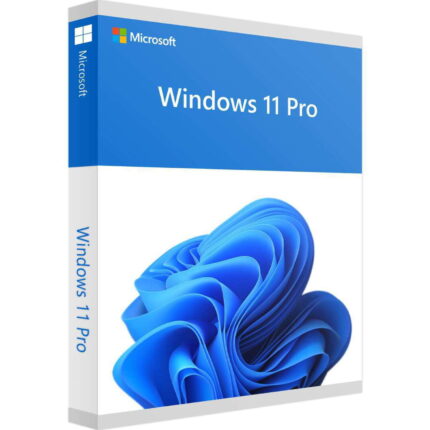
Windows 11 Pro targets small to medium-sized businesses, professionals, and power users. It includes essential business features like domain joining, Remote Desktop, BitLocker encryption, and Hyper-V virtualisation.
Windows 11 Enterprise builds upon Pro with additional security layers, deployment tools, and management capabilities designed for large organisations with complex IT infrastructures.
For small offices, the decision typically comes down to Pro versus Enterprise and understanding which features justify the additional investment.
Key Differences Between Windows 11 Pro and Enterprise
Licensing and Availability
Windows 11 Pro:
- Available through retail channels and digital licence providers
- Perpetual licensing option available
- Can be purchased as a standalone product
- Easier activation process for small teams
Windows 11 Enterprise:
- Primarily available through Volume Licensing agreements
- Requires Microsoft 365 E3/E5 or Windows Enterprise E3/E5 subscription
- Not sold as a standalone retail product
- Designed for organisations with Software Assurance
For small offices without existing Microsoft Volume Licensing agreements, accessing the Enterprise edition requires subscribing to higher-tier Microsoft 365 plans, which increases ongoing operational costs.
Security Features Comparison
Both editions prioritise security, but Enterprise includes additional protection layers:
Shared Security Features (Both Pro and Enterprise):
- Windows Hello biometric authentication
- BitLocker device encryption
- Windows Defender Antivirus
- Windows Firewall with advanced security
- Secure Boot and TPM 2.0 requirements
- Windows Information Protection (WIP)
Enterprise-Exclusive Security Features:
- Microsoft Defender Application Guard (isolates untrusted websites)
- Microsoft Defender Credential Guard (protects domain credentials)
- Microsoft Defender Exploit Guard (additional attack surface reduction)
- Windows Defender Application Control (advanced app whitelisting)
- Microsoft Advanced Threat Analytics integration
Real-World Impact for Small Offices:
Most small offices handle sensitive customer data, financial records, and proprietary information. Windows 11 Pro’s BitLocker encryption, Windows Defender, and Windows Hello provide robust protection for these scenarios. Enterprise-level features like Credential Guard primarily benefit organisations with Active Directory domains facing advanced persistent threats—a concern less common in small office environments.
Management and Deployment Tools
Windows 11 Pro Management:
- Group Policy management
- Mobile Device Management (MDM) support
- Windows Update for Business
- Azure Active Directory join
- Remote Desktop functionality
Windows 11 Enterprise Additional Tools:
- DirectAccess for remote connectivity
- AppLocker for application control
- BranchCache for optimising bandwidth
- Windows To Go for portable workspaces
- Start Screen control for enterprise environments
- Long-Term Servicing Channel (LTSC) option
Small Office Perspective:
Small offices rarely require the extensive deployment infrastructure that the Enterprise edition supports. Group Policy and MDM capabilities in Pro adequately handle device management for teams under 50 users. DirectAccess and BranchCache solve problems more relevant to organisations with multiple branch offices and remote locations.
Virtualisation and Remote Access
Windows 11 Pro:
- Hyper-V for running virtual machines
- Remote Desktop (host capability)
- Windows Sandbox for safe application testing
Windows 11 Enterprise:
- Same virtualisation features as Pro
- Enhanced virtual desktop infrastructure support
- Optimisations for Azure Virtual Desktop
Both editions support the virtualisation needs of small offices. Whether you’re running legacy software in virtual machines or testing applications in Windows Sandbox, Pro provides full functionality.
Feature Comparison Table
| Feature | Windows 11 Pro | Windows 11 Enterprise |
|---|---|---|
| Licensing Model | Retail / Digital Licence | Volume Licensing / Subscription |
| Price Point | Moderate | Higher (requires M365 E3/E5) |
| Domain Join | ✓ | ✓ |
| Group Policy | ✓ | ✓ |
| BitLocker Encryption | ✓ | ✓ |
| Remote Desktop Host | ✓ | ✓ |
| Hyper-V | ✓ | ✓ |
| Windows Sandbox | ✓ | ✓ |
| Azure AD Join | ✓ | ✓ |
| Windows Update for Business | ✓ | ✓ |
| Credential Guard | ✗ | ✓ |
| Application Guard | ✗ | ✓ |
| DirectAccess | ✗ | ✓ |
| AppLocker | ✗ | ✓ |
| LTSC Option | ✗ | ✓ |
| Ideal Team Size | 1-50 users | 50+ users |
Step-by-Step: Choosing the Right Edition for Your Small Office
Step 1: Assess Your Current IT Infrastructure
Ask yourself:
- Do you have an IT department or rely on external support?
- Are you using on-premises Active Directory or cloud-based Azure AD?
- Do you have existing Microsoft Volume Licensing agreements?
Small offices without dedicated IT staff typically benefit from Pro’s straightforward management approach.
Step 2: Evaluate Your Security Requirements
Consider:
- What type of data does your office handle?
- Are you subject to compliance regulations (HIPAA, GDPR, PCI-DSS)?
- Do employees access systems remotely?
For standard business operations, Pro’s security features meet most compliance requirements. Enterprise features become relevant when facing sophisticated security threats or industry-specific regulations requiring advanced credential protection.
Step 3: Calculate Total Cost of Ownership
Windows 11 Pro:
- One-time digital licence cost per device
- Lower upfront investment
- Predictable budgeting
Windows 11 Enterprise:
- Ongoing subscription costs (typically $7-$22 per user monthly)
- Additional Microsoft 365 features included
- Higher long-term costs for small teams
For a 10-person office, Enterprise licensing could cost $840-$2,640 annually compared to one-time Pro licensing costs.
Step 4: Consider Future Growth
If you’re planning to:
- Scale beyond 100 employees within 2-3 years
- Implement complex multi-site infrastructure
- Require advanced security compliance
Enterprise may be worth the investment. Otherwise, Pro scales effectively for growing small businesses.
Step 5: Test Your Deployment Needs
Questions to ask:
- Do you need to deploy custom Windows images?
- Will you manage dozens of applications centrally?
- Do you require LTSC for specialised equipment?
Small offices rarely need Enterprise-level deployment tools. Pro’s Windows Update for Business and MDM support handle most deployment scenarios efficiently.
Common Problems and Solutions
Problem 1: Confusion About Licensing Channels
Issue: Small business owners receive conflicting information about how to obtain legitimate Windows licences.
Solution: Purchase Windows 11 Pro through authorised retailers or reputable digital licence providers. Verify the provider offers proper activation support and documentation. Avoid marketplace sellers offering suspiciously discounted products, as these may be volume keys being resold improperly.
Problem 2: Activation Failures After Installation
Issue: Windows fails to activate after entering a product key.
Solution:
- Verify you’re connected to the internet
- Run the activation troubleshooter (Settings > System > Activation)
- Ensure the key matches your Windows edition (Pro keys won’t activate Enterprise)
- Contact your licence provider’s support team for replacement keys if needed
- Check that your hardware meets Windows 11 requirements
Problem 3: Accidentally Purchasing the Wrong Edition
Issue: Buying the Enterprise edition without realizing Volume Licensing requirements.
Solution: Enterprise requires specific licensing agreements. For small offices, request a refund and purchase Windows 11 Pro through standard retail channels instead. Most reputable digital licence providers clearly state edition requirements before purchase.
Problem 4: Managing Updates Across Multiple Devices
Issue: Keeping small office computers updated consistently.
Solution: Both Pro and Enterprise include Windows Update for Business. Configure update policies through Group Policy or MDM to:
- Schedule updates during non-business hours
- Test updates on pilot devices first
- Defer feature updates if needed
- Ensure security updates are installed promptly
Problem 5: Remote Access Setup Difficulties
Issue: Employees need secure remote access to office systems.
Solution: Windows 11 Pro’s built-in Remote Desktop provides secure remote access. Alternative approaches:
- Use Azure Virtual Desktop (works with both Pro and Enterprise)
- Implement VPN solutions for secure network access
- Configure Remote Desktop Gateway for internet-based connections
Legal Licensing and Digital Activation
Understanding Legitimate Digital Licences
A legitimate Windows 11 digital licence includes:
- A unique 25-character product key
- Documentation showing authorised distribution
- Activation support from the provider
- Compliance with Microsoft licensing terms
When purchasing digital licences for your small office:
- Choose providers with verified business credentials
- Request proper invoicing for accounting records
- Confirm the licence type matches your needs (OEM, Retail, or Volume)
- Ensure activation methods comply with Microsoft’s terms of service
Activation Best Practices
For Windows 11 Pro:
- Record product keys securely (use password management tools)
- Document which keys are assigned to which devices
- Activate within 30 days of installation
- Keep activation confirmation emails for audit purposes
Compliance Considerations:
Small offices must maintain proper software licensing for:
- Legal protection during audits
- Professional credibility with clients
- Ethical business operations
- Access to official Microsoft support
Using properly licensed software protects your business from legal risks and ensures you receive security updates and technical support when needed.
Volume Licensing for Growing Offices
If your office reaches 5+ devices, consider Microsoft’s Volume Licensing options:
- Open License program (being phased out)
- Cloud Solution Provider (CSP) agreements
- Microsoft 365 Business Premium (includes Windows licences)
These programs offer centralised management and potential cost savings as you scale.
Real-World Use Cases
Case Study 1: Marketing Agency (12 Employees)
Needs: Creative software compatibility, file sharing, remote work capability, and client data protection.
Solution: Windows 11 Pro
- Hyper-V runs legacy software versions
- BitLocker protects client project files
- Remote Desktop enables work-from-home
- Group Policy manages software updates
- Cost-effective for a small team size
Case Study 2: Accounting Firm (8 Employees)
Needs: High security standards, compliance requirements, document encryption, stable environment.
Solution: Windows 11 Pro
- BitLocker encrypts sensitive financial data
- Windows Hello provides secure authentication
- Meets most accounting compliance standards
- Professional support through a digital licence provider
- Predictable licensing costs
Case Study 3: Medical Office (15 Employees)
Needs: HIPAA compliance, patient data protection, secure remote access, and device management.
Solution: Windows 11 Pro with additional compliance tools
- BitLocker provides the required encryption
- Group Policy enforces security policies
- Additional HIPAA-specific software installed
- Regular Windows Defender updates
- May consider Enterprise if required by compliance audits
Case Study 4: Tech Startup (25 Employees, Rapid Growth)
Needs: Scalability, developer tools, modern management, and budget consciousness.
Solution: Windows 11 Pro initially, Enterprise consideration at 50+ employees
- Pro provides the necessary features during the growth phase
- Azure AD integration enables modern management
- Lower costs preserve runway capital
- Can migrate to Enterprise as infrastructure complexity increases
Frequently Asked Questions (FAQs)
1. Can I upgrade from Windows 11 Pro to Enterprise later?
Yes, you can upgrade from Pro to Enterprise without reinstalling Windows. However, you’ll need to obtain Enterprise licensing through Microsoft Volume Licensing or a Microsoft 365 E3/E5 subscription. The upgrade changes the edition but preserves your files, applications, and settings. For small offices, this upgrade rarely becomes necessary unless you’re scaling significantly or facing specific compliance requirements.
2. Is Windows 11 Enterprise worth the extra cost for a 10-person office?
Generally, no. For offices with 10 employees, Windows 11 Pro provides all essential business features at a fraction of the cost. Enterprise features like Credential Guard and Application Guard address security scenarios more relevant to large corporations with sophisticated threat models. The ongoing subscription costs of Enterprise (approximately $840-$2,640 annually for 10 users) typically don’t justify the marginal benefits for small teams.
3. What happens if I use an unauthorised or improperly licensed Windows version?
Using unauthorised software exposes your business to legal liability, security risks, and operational disruptions. Unlicensed Windows installations won’t receive critical security updates, making your systems vulnerable to malware and cyberattacks. Microsoft audits businesses periodically, and non-compliance can result in substantial fines and legal fees. Additionally, you won’t have access to official support channels when technical issues arise. Always use legitimate digital licences from authorised providers.
4. Can Windows 11 Pro handle domain joining and centralised management?
Absolutely. Windows 11 Pro fully supports joining traditional Active Directory domains and Azure Active Directory. You can use Group Policy to manage settings across devices, deploy software centrally, and enforce security policies. These capabilities make Pro suitable for small offices requiring centralised management without the complexity and cost of the Enterprise edition.
5. How do I know if my digital licence provider is trustworthy?
Look for these indicators when choosing a digital licence provider:
- Established business presence with verifiable contact information
- Clear refund and support policies
- Detailed product descriptions explaining licence types
- Secure payment processing
- Positive customer reviews from multiple sources
- Responsive customer support team
- Proper invoicing and documentation
- Transparency about activation methods
Avoid providers offering prices significantly below market rates or making unrealistic “lifetime” licence claims, as these often indicate unauthorised key reselling.
Conclusion: Making the Right Choice for Your Small Office
For the majority of small offices with 5-50 employees, Windows 11 Pro emerges as the optimal choice. It delivers the essential business features, domain joining, BitLocker encryption, Remote Desktop, Group Policy management, and Hyper-V virtualisation without the licensing complexity and ongoing subscription costs of the Enterprise edition.
Windows 11 Enterprise certainly offers powerful additional features, but these advanced capabilities primarily address scenarios found in large corporations with dedicated IT departments, complex multi-site infrastructures, and sophisticated security threats. The advanced credential protection, application isolation, and deployment tools in Enterprise represent solutions looking for problems that most small offices don’t encounter.
The financial consideration is equally important. Windows 11 Pro’s one-time digital licence cost provides predictable budgeting and lower total cost of ownership for small teams. Enterprise’s subscription model makes more sense once you’re leveraging the broader Microsoft 365 E3/E5 ecosystem for collaboration, compliance, and advanced security across a larger organisation.
Start with Windows 11 Pro, implement proper security practices, maintain legitimate licensing, and regularly update your systems. As your business grows and your infrastructure complexity increases, you can reassess whether Enterprise features justify the additional investment.
If you’re looking for a digital Windows licence with secure delivery and activation support, choose a trusted provider with transparent policies, proper documentation, and responsive customer service. Legitimate licensing protects your business legally while ensuring you receive the security updates and technical support your small office deserves.